Is Rwanda Safe to Visit in 2026? Advisories, Kigali and the Border, Honestly
The advisory is real, the 10-kilometre band is real, and neither one is the whole picture. Here is the district-by-district version.
 By Eric Habimana, gorilla trekking guide since 2015
Short answer
Rwanda is at US Level 3, Reconsider Travel. The June 2026 advisory explicitly excludes Volcanoes National Park from its higher-risk DRC border area. Other governments draw different boundaries. Check your complete route, insurance and current entry requirements before deciding.
Government advisories and traveller crime-perception surveys answer different questions. The former assess security, health and consular risks; the latter describe how respondents feel. Neither establishes that a particular journey is safe. Read the current advice for your nationality and complete route, including the conditions for entry.
Your Booking Choice
If you decide to travel after reviewing the advice, compare a private trek day with the permit included against transport with a separately purchased permit.
A permit-included day combines the park permit and ground arrangements; a transport-led day leaves the permit separate.
Is Rwanda safe right now? The short, precise answer
The US rates Rwanda Level 3, Reconsider Travel, for crime, unrest and health risks in its 4 June 2026 advisory. Its Level 4 DRC border area explicitly excludes Volcanoes National Park. The national Level 3 advice still applies to the park and Kigali.
Four governments publish advice on Rwanda and their geographic boundaries and risk scales differ. Read each assessment in full rather than treating their categories as interchangeable. None guarantees a risk-free trip.
| Government | Countrywide level | Restricted area named | Last updated |
|---|---|---|---|
| United States | Level 3, Reconsider Travel | Do Not Travel within 10 km of DRC; Volcanoes National Park explicitly excluded | 4 June 2026 |
| United Kingdom | No countrywide restriction | Against all but essential travel to parts of Rusizi within 10 km of the DRC border, including Rwandan islands in Lake Kivu and Kamembe Airport | 4 September 2026 |
| Canada | Take normal security precautions | High degree of caution in parts of Rubavu and Rusizi, and the section of Volcanoes National Park along the DRC border | 24 September 2026 |
| Australia | Exercise normal safety precautions | Do not travel to Rubavu/Gisenyi; reconsider within 10 km of remaining DRC border; caution near Burundi | Checked 27 September 2026 |
What exactly does the US travel advisory say?
The national Level 3 advice and the Level 4 border area must be read together with the stated Volcanoes National Park exception. The park exception does not remove the countrywide advice.
Read the current wording rather than inferring a park risk category from the name of its district. A government exception is not a guarantee of safety, and a tour booking does not override government advice.
The Level 3 rating itself is a national judgement rather than a description of any one place. It bundles crime, the risk of unrest and the general difficulty of consular assistance into a single number. Level 3 is not a ban, it does not restrict US citizens from entering Rwanda, and it does not trigger any evacuation order. What it does trigger, in practice, is a set of insurance clauses and a set of employer travel policies, and those are the parts most likely to affect a real booking. Check the current wording yourself before you commit money: the US State Department advisory page for Rwanda is revised without much announcement, and the version you read in a forum post six months ago is probably not the version in force.
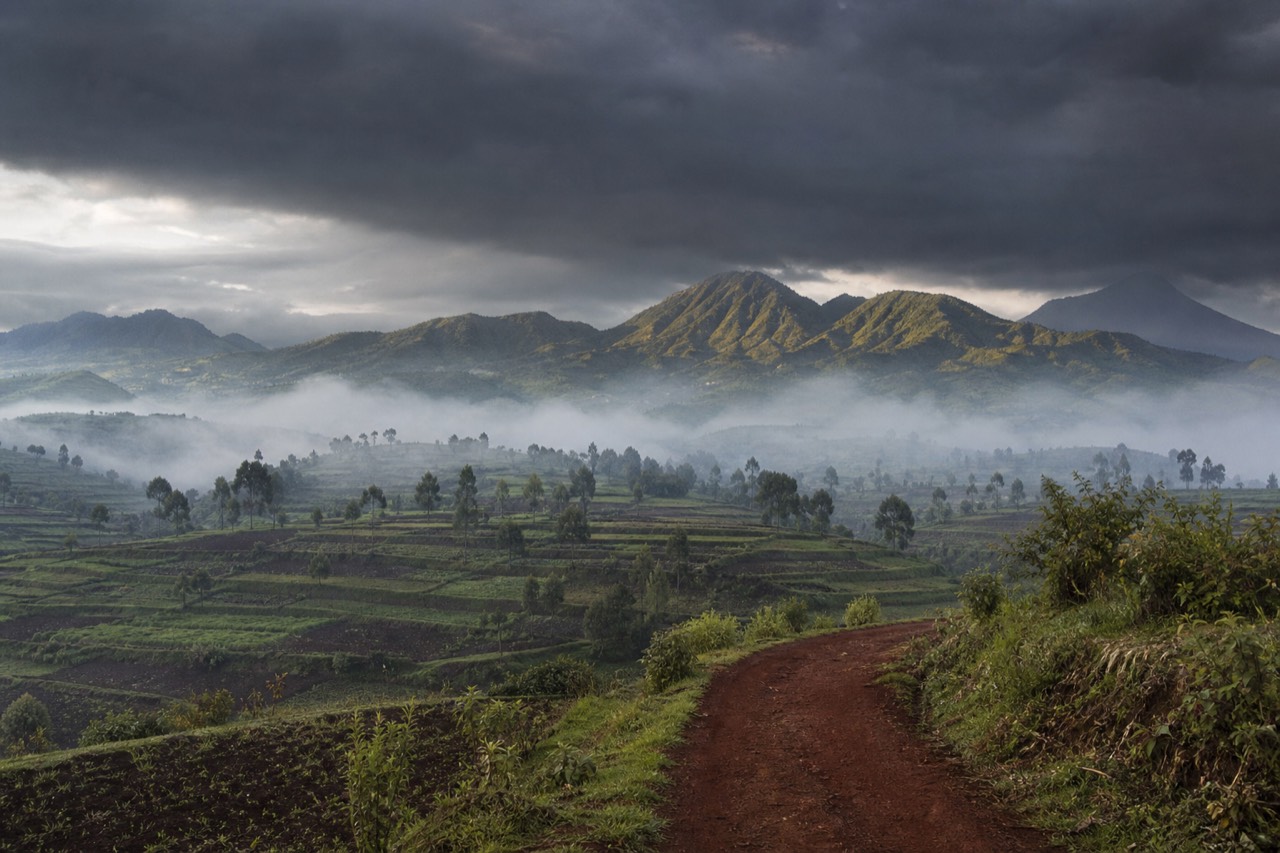
Volcanoes National Park is in Musanze District. Does that put the trek inside the Level 4 zone?
The current US advisory explicitly excludes Volcanoes National Park from the higher-risk border area. Canada separately urges a high degree of caution in the park’s DRC-border section. These are different assessments, and both matter when evaluating a route.
The park’s geography still matters: its western side meets the DRC. However, the current US exception is explicit. Do not use a distance measured on a map to contradict that wording, or take the exception as assurance about conditions on a future trekking day.
What that means for a booking is a question your operator can answer and a webpage cannot. Trek assignments are handed out at the Kinigi park headquarters at the 07:00 briefing, on the morning, by rangers who know where the families slept the night before and where the security posture stands that day. You are not choosing a route from a map at home. If the border proximity matters to you, and for some travellers it legitimately does, ask the operator directly which families they normally track and raise the question again at the briefing. Nobody at Kinigi will be surprised by it.
| District | What the advisories say | Relevance to a trek day |
|---|---|---|
| Kigali (city) | US national Level 3 applies; other governments advise general precautions | Where you land, sleep, and start the drive |
| Musanze | US border zone excludes Volcanoes NP; Canada flags the park’s border section | Volcanoes National Park and the Kinigi briefing point sit here |
| Rubavu | Level 4 from the US within 10 km of the border; Australia says do not travel; Canada says high caution | Lake Kivu and Gisenyi; skipped by every standard day trek |
| Rusizi | Level 4 from the US within 10 km; the only district the UK restricts | Far southwest, roughly the length of the country from the park |
| Everywhere else | Countrywide level only | Kigali genocide memorial, Nyungwe, Akagera, the road north |
Note what the table shows about distance. Rusizi, the district the UK singles out, is in the far southwest corner near Lake Kivu's southern end. A Kigali-based gorilla trek never approaches it. Rubavu, the one Australia names outright, sits on the lake north of that and is a genuine tourist destination in its own right, so a traveller adding a Lake Kivu beach night to a trek itinerary is making a different decision from one who flies in, treks, and flies out.
Is it safe for Americans to travel to Rwanda right now?
US citizens can visit subject to Rwanda’s entry requirements. A travel advisory is not an entry permission or a safety guarantee. Current health-related border measures mean entry should not be described as unrestricted.
For Americans considering a visit, separate three questions: whether the current entry rules permit your journey, whether you accept the advisory’s risks, and whether your insurance covers the actual itinerary. Recent tour reviews answer none of those questions.
Many travel policies contain a clause that voids or limits cover for destinations under a Level 3 or higher advisory, or under a "against all but essential travel" designation from the FCDO. Some policies exclude only the specific restricted area. Some exclude the whole country. Read the policy wording before you buy, not after, and if the answer is unclear, ask the insurer in writing for a decision specific to Rwanda at its current level. Medical evacuation from a mountain at 3,000 metres is the scenario worth being covered for, and it is not cheap to arrange privately.
US citizens can also register their trip with the State Department's traveller enrolment programme, which does two mundane but useful things: it puts your itinerary in front of the embassy in Kigali, and it means advisory changes land in your inbox rather than being something you find out about from a stranger. It takes five minutes and costs nothing.
What do the UK, Canada and Australia say?
The UK advises against all but essential travel only to parts of Rusizi District within 10 km of the DRC border, including Rwandan islands in Lake Kivu and Kamembe Airport, with no countrywide restriction. Canada advises normal security precautions across Rwanda. Australia also advises normal precautions overall, with stronger regional advice at the DRC and Burundi borders.
The FCDO travel advice for Rwanda, updated 4 September 2026, retains its advice against non-essential travel to the specified Rusizi border area. Read its entry section too: the latest update includes border measures responding to the DRC Ebola outbreak.
Canada’s advice retains normal precautions overall and greater caution in specified border areas, including the park’s DRC-border section. It also describes restrictions affecting foreigners who visited DRC in the previous 21 days. Read Canada’s Rwanda travel advice for the exact boundaries and exceptions.
Australia retains normal precautions overall, but advises against travel to Rubavu, including Gisenyi; reconsidering travel within 10 km of the remaining DRC border; and greater caution near Burundi. These regional warnings must not be reduced to Rubavu alone.
How safe is Kigali?
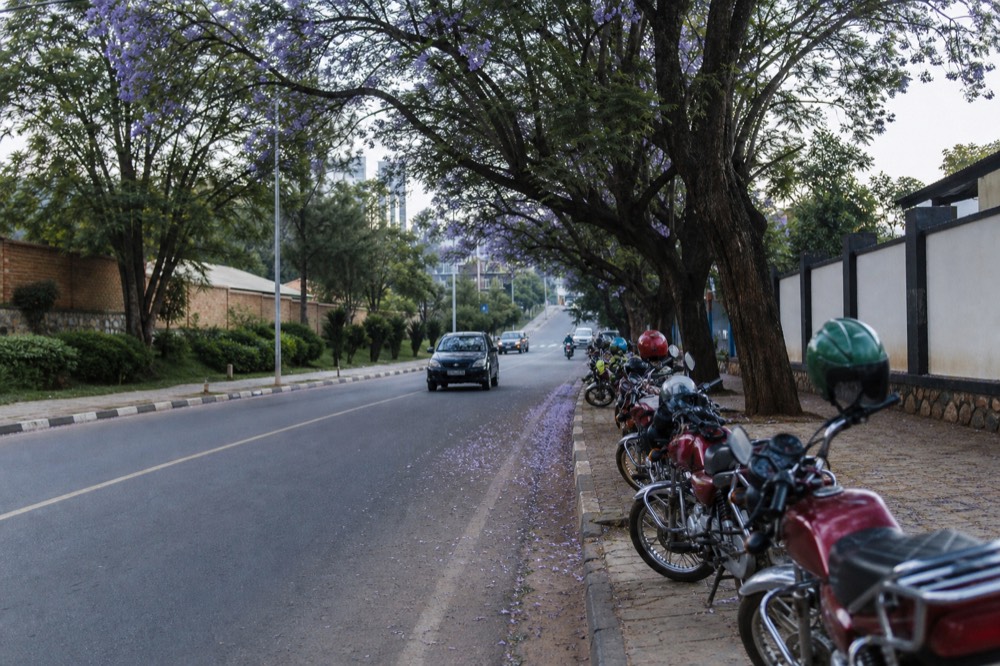
Crowd-sourced crime perceptions are not a safety guarantee. Official advice calls for caution after dark; Canada advises against venturing out alone at night, and Australia recommends avoiding walking or travelling after dark.
The calm appearance of a street is not a measure of its security. Plan journeys with current local advice and use licensed transport; avoid unnecessary travel after dark.
Crowd-sourced indices measure perceptions, often from small samples. They do not establish current crime rates or override the precautions in government advice.
Are the gorilla treks actually running?
Operators advertise gorilla treks, but confirm the park’s current operation and your requested permit date before travelling. Follow the briefing, group limits, distance and illness rules provided by the park for your visit.
Tour listings and future schedules show what operators are selling, not a guarantee that any departure will operate. Confirm park access, the requested permit date and current conditions before committing. Rwanda’s tourism promotion is discussed separately in the Visit Rwanda sponsorship explainer.
Follow the park team’s instructions throughout the trek. A ranger escort does not eliminate security, wildlife or terrain risks. The separate article on injuries during gorilla treks discusses the distinction between wildlife encounters and hiking hazards.
| Park rule | The number | Why it exists |
|---|---|---|
| Visitors per gorilla family | Maximum 8 | Limits stress on the group and disease exposure |
| Habituated families open to visitors | 12 | Caps the daily permit supply at 96 |
| Time with the gorillas | 1 hour | Limits cumulative human contact per family per day |
| Minimum distance | 7 metres, about 22 feet | Reduces the chance of pathogen transfer both ways |
| Minimum age | 15 years, no exceptions | Younger children are more likely to carry childhood illnesses |
| Photography | Permitted, no flash | Flash startles animals at close range |
| Illness | No trekking with a cold, flu or other contagious illness | Gorillas catch human respiratory infections and die of them |
What the advisory means for the money you are about to spend
A Level 3 rating changes three practical things: which insurance policies will cover you, whether your employer or university will approve the trip, and how much cancellation flexibility you should buy. It is separate from entry rules and operator schedules, which must also be checked.
Cancellation terms vary by product and selected option. Check the ground-tour terms and the permit terms separately before paying: cancelling a vehicle booking does not necessarily recover money already spent on a permit. A listed date is not proof that a permit has been issued.
Confirm the requested permit date and the ground arrangements before committing to either. You can apply through the official RDB booking portal or select a permit-included package. Compare the full amounts in our trek cost breakdown and permit guide.
| Arrangement | What to check before paying |
|---|---|
| Ground tour with separate gorilla permit | Permit confirmation plus the tour’s own cancellation terms |
| Permit-included day | Date confirmation, total inclusions and cancellation terms for the selected option |
| Lodge-based safari | Room basis, transfer endpoints, permit inclusion and the full itinerary |
The risks that actually put trekkers in trouble
A trek involves steep, muddy terrain, altitude and long road journeys, alongside the security and health issues in current travel advice. Discuss individual health risks and preventive measures with a travel-health clinician before booking.
Altitude is the underrated one. The Kinigi briefing sits around 2,500 metres and treks climb from there, so a traveller who flew in from sea level two nights ago is working harder than they expect on ground that does not look difficult. Do not assume a night in Kigali provides enough acclimatisation for a higher-altitude trek; discuss your itinerary with a clinician if you have concerns.
The mud is the famous one, and it earns the reputation. Volcanic soil under permanent forest canopy holds water, the slopes are steep, and the descent is harder than the climb because your legs are tired and the ground is slick. Hire a porter. They cost very little relative to the permit, they carry the bag, they haul you up the awkward bits by the wrist, and they are drawn from communities living beside the park, which is the point of the arrangement. What you put on your feet matters more than almost any other gear choice, and our packing list built around the mud is specific about it.
Yellow fever vaccination is only required if you are arriving from a country with active transmission, and health authorities do not generally recommend the vaccine for Rwanda itself. Malaria is different: the recommendation is country-wide prophylaxis, high altitude included, and the drive corridor between Kigali and Musanze runs through plenty of low ground.
| Risk | Who it actually hits | What reduces it |
|---|---|---|
| Altitude, 2,500 to 4,000 m | Anyone arriving from sea level without an acclimatisation night | Discuss the planned altitude with a travel-health clinician; tell the guide about symptoms |
| Slips and ankle injuries | Almost everyone, mostly on the descent | Ankle-height boots with real tread, gaiters, a porter, a walking stick |
| Long road hours | Day-trip travellers doing Kigali to Kinigi and back in one day | Compare the full road schedule with a stay near the park; no return time is guaranteed |
| Malaria | Every traveller, altitude does not exempt you | Prophylaxis as advised by a travel clinic, repellent, covered ankles at dusk |
| Border proximity | Travellers whose routes approach a flagged border area, including the park’s border section under Canadian advice | Read the four advisories, ask the operator, skip the lake leg if unsure |
| Being turned away at the briefing | Anyone under 15, or visibly ill on the morning | The age floor has no exceptions; do not travel sick, and do not hide it |
Who should think harder before booking this trip
Travellers whose insurance voids at Level 3 and who cannot buy alternative cover, employees whose organisations block advisory-rated destinations outright, anyone under 15 because the age floor is absolute, and travellers with untreated cardiac or respiratory conditions who would be climbing to 3,000 metres on wet ground.
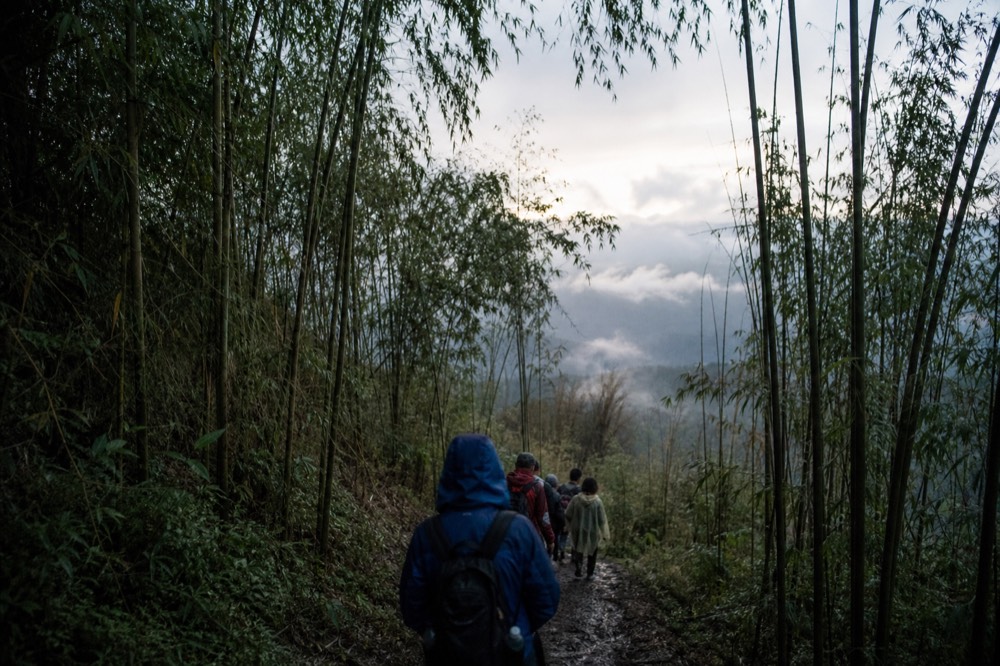
There is also a category that has nothing to do with risk and everything to do with temperament. If reading a Level 3 notice will sit in your chest for the whole trip and colour every ranger's rifle and every roadblock, that discomfort is real and it will spoil an expensive day. Some travellers want the border question resolved before they can enjoy anything, and no webpage resolves it, because the honest answer stays "part of a large park runs along a border that other countries are fighting near, and the trekking operation has continued through it".
For travellers who prefer one arrangement for the permit and ground logistics, a permit-included private day is an administrative option. It does not change the travel advisory, insurance exclusions or physical demands of the trek.
The opposite failure is worth naming too. Treating the advisory as background noise, skipping the insurance question, adding a spontaneous Lake Kivu leg into Rubavu because the lake looked nice on someone's feed, and never once reading what four governments actually wrote is not confidence. It is just not having done the reading. The reading takes fifteen minutes. If the trek itself is what you are weighing rather than the country, our honest look at how hard the climb really is is the next thing to read, and you can compare every bookable trek side by side once the safety question is settled in your own head.
Common questions
Is Rwanda safe?
There is no single answer for every traveller or route. Review the national advisory, regional boundaries, current health measures and insurance before deciding.
Is Rwanda safe to visit right now?
Conditions and entry measures can change. Check current official advice and have the operator confirm the planned departure; past visitor numbers do not establish present safety.
Is it safe for americans to travel to Rwanda right now?
US citizens must evaluate the Level 3 advice, entry requirements and their own insurance. A bookable tour is not evidence that a trip meets those requirements.
Can US citizens visit Rwanda?
US citizens can normally obtain a tourist visa on arrival, subject to entry requirements. Check passport validity, vaccination requirements and current health-related border measures before travelling.
Is gorilla trekking in Rwanda safe given the DRC border situation?
The US border warning explicitly excludes Volcanoes National Park, while Canada urges extra caution along its DRC-border section. Confirm conditions and obey park instructions; neither an escort nor a booking guarantees safety.
Which parts of Rwanda should I actually avoid?
Use your government’s current map and wording for your complete route. The four governments define regional advice differently; a simple western-border strip does not capture every exception and warning.
Choose The Experience That Fits Your Trip
General starting point; dates, pickup and passenger acceptance still need confirmation.
Choose your permit and transport arrangements · alternatives & optional controls
- Private Gorilla Trek From Kigali — 12 hours. Private transport, driver-guide and meals around the park trek. Gorilla permit purchased separately; operator offers assistance. English listed. Ages 15+, up to 85. Pickup and drop-off anywhere in Kigali.
- Three-Day Rwanda Gorilla Safari — 3 days. Lodge accommodation, meals, 4x4 transport and one gorilla permit per person. One gorilla tracking permit per person included. English listed. Ages 15+, up to 80. Kigali airport or hotel by arrangement; returns Kigali airport. Minimum two adults; lodge option must be confirmed.
Permit-Included Rwanda Gorilla Day
Ready to arrange the trek after checking your route and cover? Check the requested date and pickup details before committing.
13 hours. Gorilla permit and lunch in one booking; Kigali or Ruhengeri pickup. Gorilla Permit Fee included. English listed. Ages 15+, up to 100. Booked hotel in Kigali or Ruhengeri; confirm your return arrangements with the operator.
Check dates & final price on Viator